

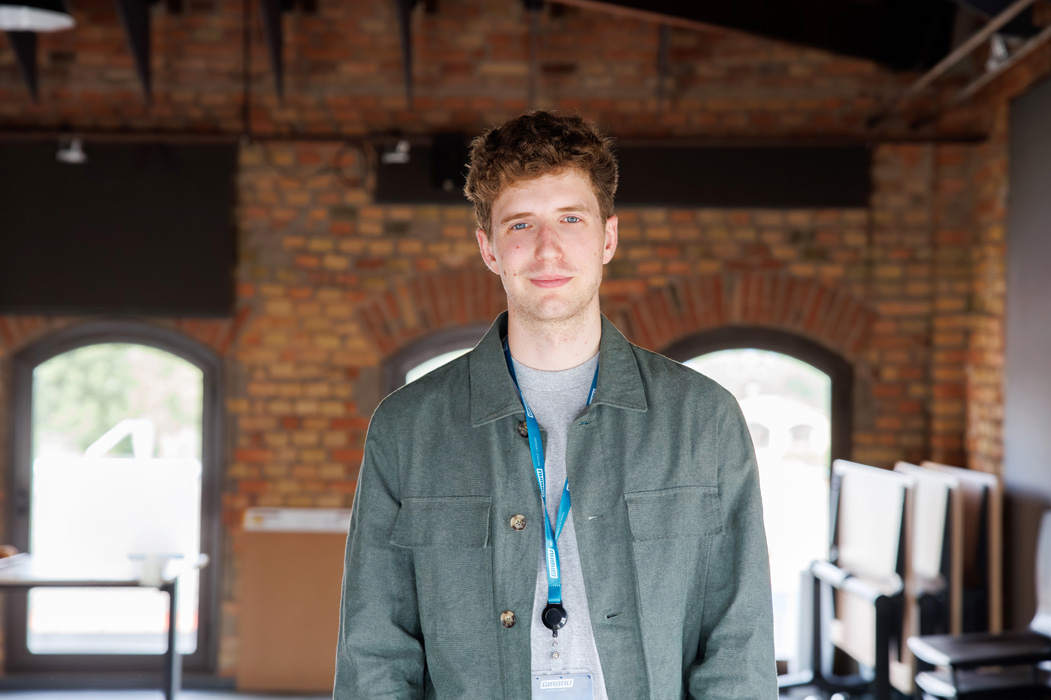
In this new session of the 2026 Innovators Club, we speak with Albert Beltran, cofounder of Balance Phone, an initiative that rethinks the way we relate to technology and, in particular, to the mobile phone.
Albert began his professional career at Amazon, where he spent three years working in digital advertising for large companies. This experience allowed him to understand from the inside how digital platforms work, what incentives drive them and how they capture users’ attention.
With this experience, and driven by a concern he shared with his friend and partner Carlos about people’s relationship with mobile phones and the lack of self-regulation to limit their use, they decided to start a business and founded Balance Phone with the aim of creating tools that help people reduce digital distractions, regain focus and use technology more consciously. In this interview, we talk about attention, digital habits, and business model.
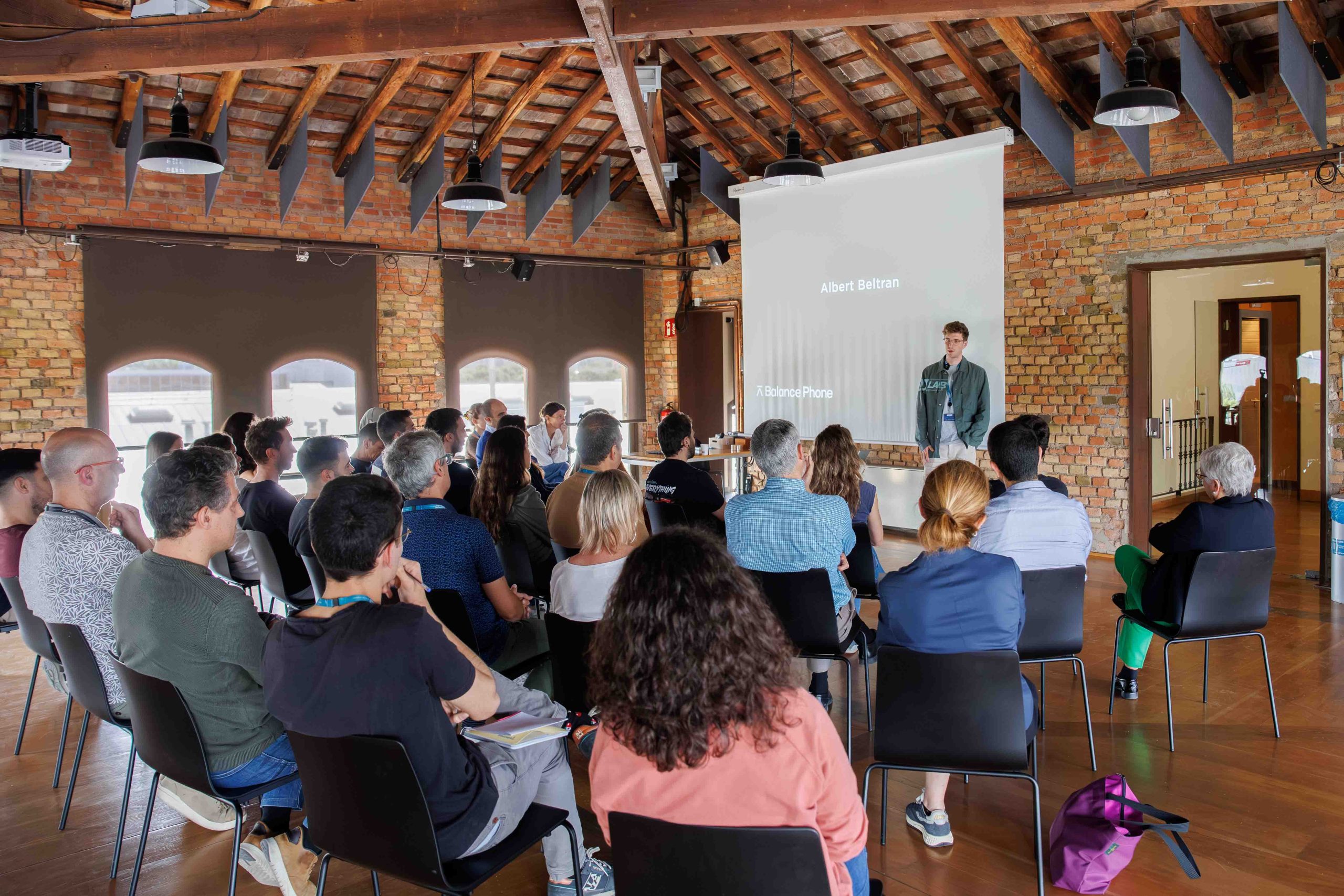
How has your experience at Amazon influenced the way you understand the relationship between technology and people today?
It has helped me understand much better the incentives of big tech companies and their business models, and how these often do not prioritize user well-being. I believe that technology that respects the user is not only possible, but necessary.
What was the moment or reflection that led you to create Balance Phone?
It came from the personal frustration of trying to change our digital habits and realizing that we could not find any definitive solution. We realized that the problem was not only about individual discipline, but also about how devices and applications are designed.
What is the main goal of Balance Phone and what have been the main challenges in making it a reality?
The goal is to create tools that help people combat the global attention crisis we are experiencing, especially latent among younger generations. One of the main challenges is at the level of perception: making people understand that this problem exists and that there are real alternatives is more complex than it seems.
How do you imagine the future of the relationship between people and technology, and what role can it play in our habits and well-being?
I strongly believe that every interaction with technology should bring real value to the user. The fewer interactions there are, and the more positive impact they have, the better. Today, technology accompanies us mainly through entertainment and not so much through functionality. Technology is too powerful and has too much potential for us to use it the way we currently do.
What innovation opportunities do you see in everyday areas such as garment care, following this logic of more conscious technology?
I see it in the same way: technology should help users spend as little time as possible and make processes increasingly sustainable.

share